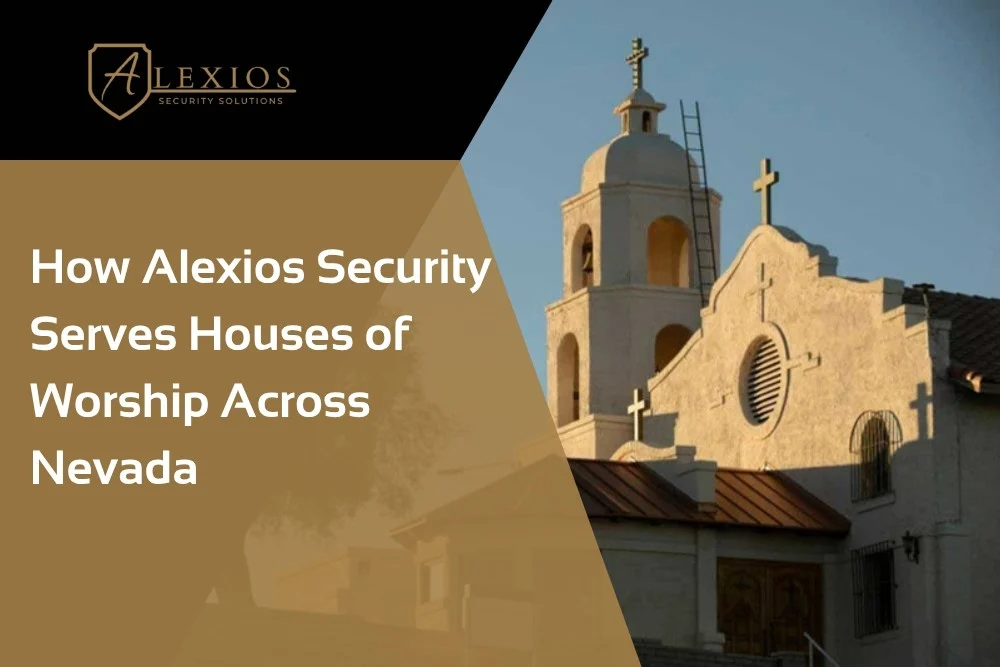

How Alexios Security Serves Houses of Worship Across Nevada
Church Security in Nevada Should Protect a Welcoming Space
A house of worship is more than a building. It is a place where people gather for prayer, celebration, service, grief, learning, and community support. Any security plan must respect that purpose. Congregants should feel welcomed, families should be able to participate, and ministry leaders should not feel that protection has changed the spirit of the space. That care matters in every season and gathering.
Alexios Security Solutions approaches church security in Nevada with warmth and vigilance. The team learns how the congregation uses the property, when attendance is highest, who serves in leadership and volunteer roles, and which concerns have prompted the conversation. Protection is then built around the people and routines that already make the community work.
The goal is not to create fear or make every visitor feel suspected. It is to reduce preventable exposure, establish clear responsibilities, and give trained professionals a plan for recognizing and responding to unusual behavior. When security is thoughtful, it can support hospitality rather than compete with it.
The first conversation should also address the congregation’s comfort with security. Some leaders want officers to be easy to identify, while others prefer a presence that blends into the service. Families may have questions about access to children’s areas, and staff may need to understand how security will interact with greeters or ushers. Discussing those expectations early helps the final plan feel like part of the ministry’s care for people rather than an outside system imposed on the community.
A Security Assessment Built Around the Congregation
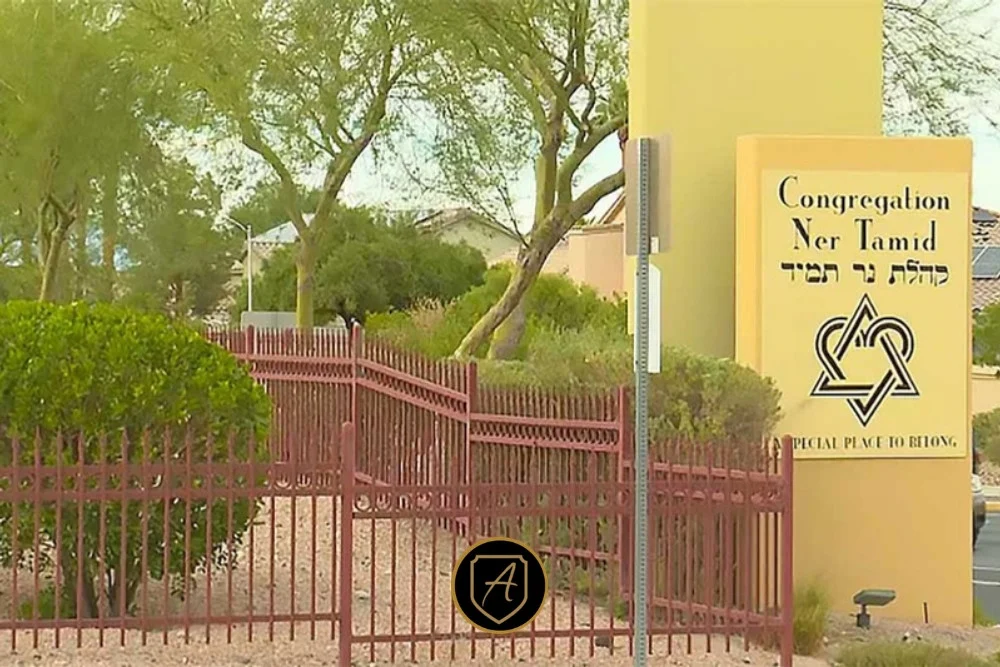
Every faith community has a different layout and rhythm. A large campus with multiple ministries may have classrooms, offices, a preschool, parking lots, and several entrances. A smaller congregation may gather in one main room but share space with other organizations. Alexios begins by studying the property in use, not only when it is empty.
- Entrances and gathering points are reviewed during normal services and busy events. The team looks at where people naturally arrive, which doors remain open, how greeters interact with visitors, and where an unauthorized person could enter without being noticed.
- Interior spaces are considered according to their purpose. Children’s areas, counseling rooms, offices, cash handling points, storage areas, and technology rooms may require different access rules than the sanctuary, fellowship hall, or public lobby.
- Parking and exterior areas are included in the plan. Officers consider lighting, pedestrian routes, drop off activity, isolated corners, and the movement that occurs before and after services. A concern outside the building can affect people as they arrive or return to their vehicles.
The assessment leads to practical recommendations that fit the congregation’s resources. Security may include professional officers, improved access procedures, volunteer coordination, communications, training, or a combination of measures. The plan should be clear enough to follow and flexible enough to support different events.
The assessment can include the routines that happen outside normal worship hours. Staff may work alone during the week, volunteers may arrive for evening programs, and vendors may need access when the building is otherwise quiet. Deliveries, counseling appointments, rehearsals, and maintenance work all create movement. Understanding those patterns helps leaders decide which doors should remain locked, how visitors are received, and when professional coverage or remote monitoring is most valuable.
Professional Guards Who Balance Warmth and Vigilance
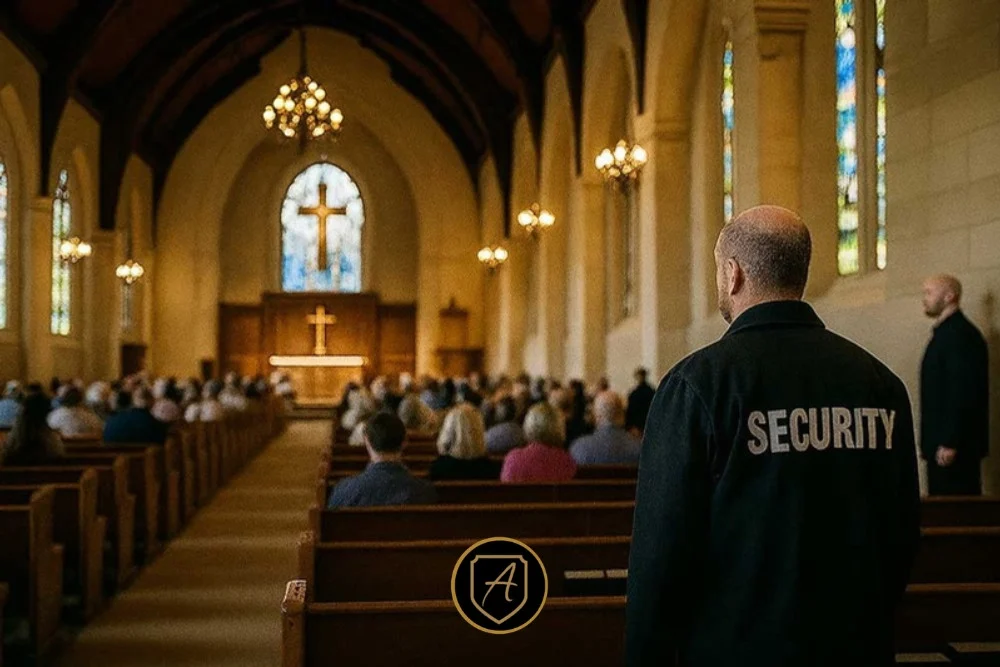
The person assigned to a house of worship must understand that professional presence involves more than standing at a door. Congregants may ask for directions, share concerns, or approach an officer during an emotional moment. Guards need judgment, communication skills, patience, and the ability to remain observant while treating people with dignity.
- Deescalation skills help an officer address confusion, anger, or disruptive behavior before it becomes a larger problem. Calm language, appropriate distance, and clear choices can protect everyone involved while preserving respect.
- Situational awareness helps officers notice changes in behavior, unattended items, repeated attempts to access restricted areas, or a person who appears focused on something other than the gathering. Observation should be purposeful and discreet.
- Emergency readiness supports a measured response. Officers should know how to communicate with leaders, guide people away from danger, support medical response, and provide useful information to first responders when an incident requires outside help.
Alexios offers security for houses of worship that can be visible or discreet according to the congregation’s needs. A uniformed officer may provide reassurance and deterrence at a main entrance, while another assignment may call for a lower profile presence inside the gathering space.
Professional appearance and conduct should reinforce trust. Officers need to arrive prepared, understand their post, communicate with leaders, and avoid unnecessary distractions. They should know when a concern can be handled quietly and when immediate action is required. Congregants are more likely to share useful information when they view security personnel as approachable, steady, and respectful. That relationship can help the team notice developing concerns before they become emergencies.
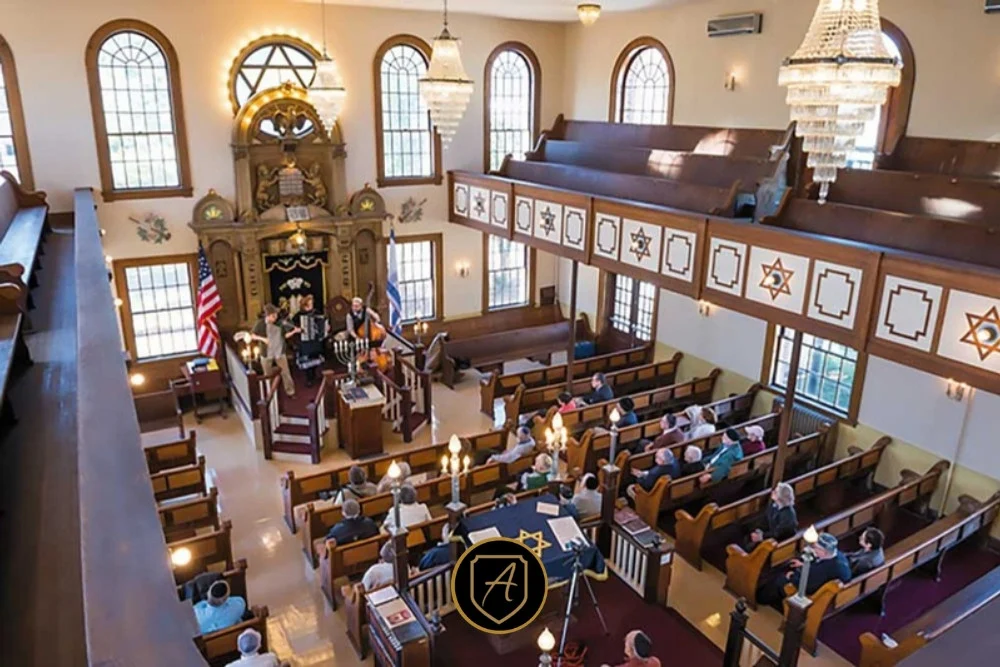
Security for Weekly Services Holidays and Community Events
A congregation’s security needs can change from one day to the next. Weekly services may have a familiar routine, while a holiday gathering, concert, funeral, wedding, school program, or community meal brings different attendance and access demands. The plan should address those differences without forcing every event into the same model.
- Weekly service coverage can focus on regular entrances, parking activity, children’s ministry areas, and communication with known leaders. Familiarity helps the officer recognize what is normal for the congregation and notice when something is out of place.
- High attendance events may require additional posts, traffic support, controlled access to private rooms, and closer coordination with ushers or event volunteers. More people can create crowding and make it easier for a concern to go unnoticed.
- Sensitive gatherings may call for extra privacy and a thoughtful posture. Funerals, counseling events, or services connected to a public issue can attract unwanted attention. Security should protect the people involved without disrupting the purpose of the gathering.
Alexios can provide uniformed security guard services for recurring coverage or selected events. Clear post instructions and a briefing before each assignment help officers understand the schedule, leadership contacts, expected attendance, and any special concern.
Special events also benefit from a clear end of day plan. After a crowded holiday service or community program, people may leave at the same time, children may be collected from classrooms, and volunteers may begin moving equipment. Officers can monitor exterior routes, help preserve access for emergency vehicles, and remain alert while the building transitions from public activity to closing. The security plan should cover the full event timeline, not only the time when the program is on stage.
Emergency Planning Communication and Training
Professional security is most effective when it is connected to the people who lead the congregation. Alexios works with approved contacts so officers know who can make decisions, how concerns should be reported, and what procedures the ministry already uses. This prevents the security plan from operating in isolation.
Emergency planning can address medical incidents, severe weather, fire, a missing child, a disruptive visitor, or a credible threat. The plan should identify how leaders will communicate, where people can be directed, and who will meet first responders. Procedures should be realistic for the property and the people available.
Training also helps volunteers and staff recognize their role. A greeter does not need to become a guard, but should know how to report a concern without escalating it. Ministry leaders should understand who can lock or unlock doors, who has access to cameras, and how to account for children or vulnerable adults during an emergency.
Across Las Vegas, Henderson, Reno, and other Nevada communities, churches benefit when security, hospitality, and leadership teams share the same expectations. Alexios can support that coordination while maintaining a professional security presence.
Communication procedures should be simple enough to use under stress. Leaders may designate a primary and backup contact, choose plain language for reporting concerns, and decide when radios, phones, or another method will be used. After an incident or unusual event, the team can document what happened and review the response. That review is not about assigning blame. It helps the congregation improve procedures, address new vulnerabilities, and prepare staff for similar situations in the future.
The plan should also consider how sensitive information is handled. Names connected to counseling, family disputes, threats, or protective orders should not be shared more widely than necessary. Approved leaders and security personnel need enough context to act, while the congregation’s privacy remains respected. Clear records and limited communication channels support both safety and trust.
Church Security FAQs
Will security make our congregation feel less welcoming?
Security does not have to create a harsh atmosphere. The plan can use respectful officers, thoughtful positioning, and clear procedures that support the congregation’s culture. A visible officer may reassure some communities, while a discreet posture may fit others. The important point is that personnel understand the environment and interact professionally. Leaders can explain the purpose of security to staff and volunteers so everyone knows that the goal is care, preparedness, and a safe place to gather.
Do houses of worship need security at every service?
The right schedule depends on the congregation’s concerns, property, attendance, location, and available volunteers. Some communities choose recurring coverage because it creates familiarity and consistency. Others use officers for holidays, large events, evening programs, or periods of increased concern. An assessment can help leaders decide which gatherings present the greatest exposure and how professional coverage can work with existing procedures. The plan can be reviewed as attendance, programs, or circumstances change.
How should volunteers work with professional security officers?
Volunteers should have a clear, limited role. They can welcome guests, observe their normal area, and report concerns through an agreed channel. Professional officers remain responsible for security decisions and physical response. Before a service or event, leaders can review who the officer is, how to reach that person, and what information should be reported. This structure allows volunteers to remain focused on hospitality while giving trained personnel the details needed to assess a concern.
Long term security improves when leaders revisit the plan after changes to the property or ministry. A new children’s wing, expanded evening program, different service schedule, or increase in attendance can create new access patterns. Alexios can review those changes and update officer posts, procedures, or training so the plan remains useful instead of becoming outdated.
Protect Your Nevada Faith Community With Alexios
Faith communities deserve protection that respects the people, traditions, and purpose of the gathering. Alexios Security Solutions combines assessment, trained officers, deescalation, emergency readiness, and coordination with ministry leaders to create a plan that supports both safety and hospitality.
Want to protect your congregation without disrupting the spirit of worship? Contact Alexios Security Solutions for a confidential consultation.