
Event Security Planning for Private Functions in Las Vegas
Event Security Starts Before Guests Arrive
A private function in Las Vegas can feel effortless to the people attending it, even when the work behind the scenes is detailed. That is the goal of thoughtful event security. Protection should support the host, the venue, and the guest experience without becoming the focus of the evening. Alexios Security Solutions begins by learning what the event is meant to accomplish, who will attend, how people will move through the property, and which concerns require the most attention. Today.
The same plan will not fit a family celebration, an executive dinner, a luxury product launch, and a private performance. Each setting has different access points, schedules, vendors, guest expectations, and privacy needs. Alexios treats those differences as the starting point. Early planning gives the team time to identify vulnerabilities, clarify responsibilities, and prepare practical responses before doors open.
For hosts, that preparation creates confidence. For guests, it creates a calm setting where security feels professional and appropriate. For venue teams, it establishes clear communication and fewer last minute surprises. Effective event security is not only about reacting to a problem. It is about reducing the chance that a preventable issue interrupts the function in the first place.
Early conversations also give the client space to explain what privacy, hospitality, and visible protection should look like for the occasion. A host may want officers to greet guests at one entrance, remain discreet near a private dining area, or coordinate closely with a family representative. Those preferences affect the plan and should be understood before the event team is under time pressure. They also help officers represent the host’s expectations consistently throughout the function.
How a Las Vegas Event Security Assessment Shapes the Plan
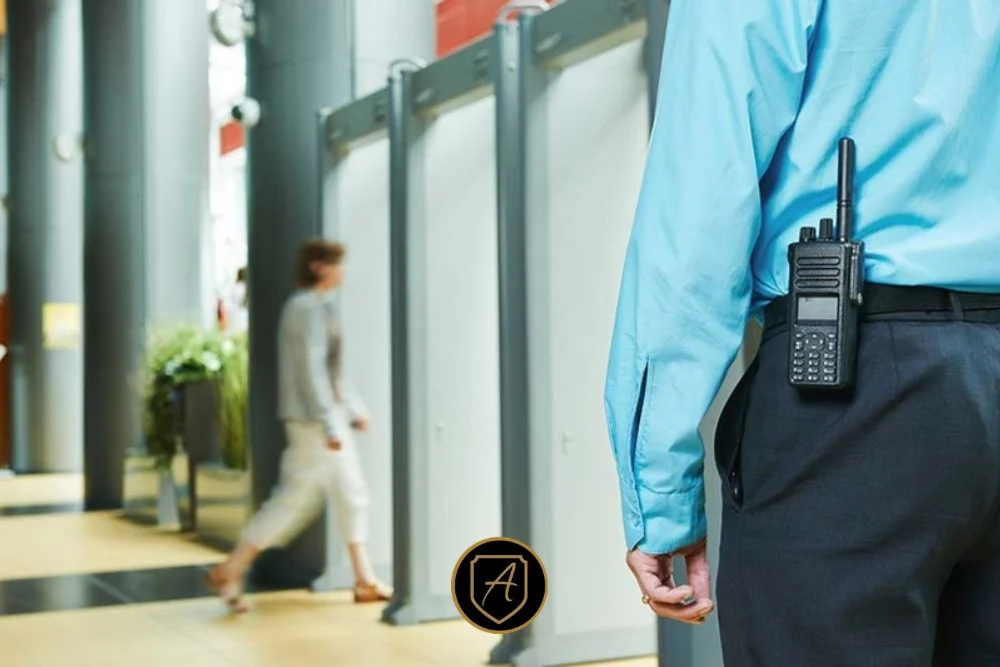
A site assessment turns general concerns into a plan that can be staffed and followed. The security team reviews the venue in context, including the event schedule, expected attendance, neighboring activity, parking, service entrances, and any areas that should remain private. A downtown property, a private estate, and a resort ballroom can present very different operating conditions even when the guest count is similar.
- Access points are mapped before the event. The team identifies where guests, staff, vendors, entertainers, and deliveries should enter, then determines which doors need an officer, a credential check, or controlled access. This prevents confusion and reduces the risk of an unauthorized person blending into a busy arrival period.
- Guest and vehicle movement is reviewed from arrival through departure. The plan considers valet lanes, rideshare activity, private vehicle staging, pedestrian paths, and the points where crowds may briefly collect. Clear movement patterns help protect guests while allowing venue operations to continue smoothly.
- Response options are discussed in advance. Alexios works with the host and venue team to define who should be contacted, where guests can be directed, and how officers should respond to medical concerns, disruptive behavior, severe weather, or a security threat. The goal is a measured response that fits the actual situation.
The assessment also helps the client decide where visible security is useful and where a more discreet posture makes sense. When the plan is grounded in the property and the event itself, staffing decisions become easier to explain and easier to execute.
Documentation from the assessment can guide the briefing before officers take their posts. Maps, contact lists, schedules, access rules, and approved escalation steps give the team a shared reference. They also make it easier to update the plan if the guest count changes, a vendor arrives early, or the host adds an activity shortly before the function.
Private Event Security Guards Roles and Coverage
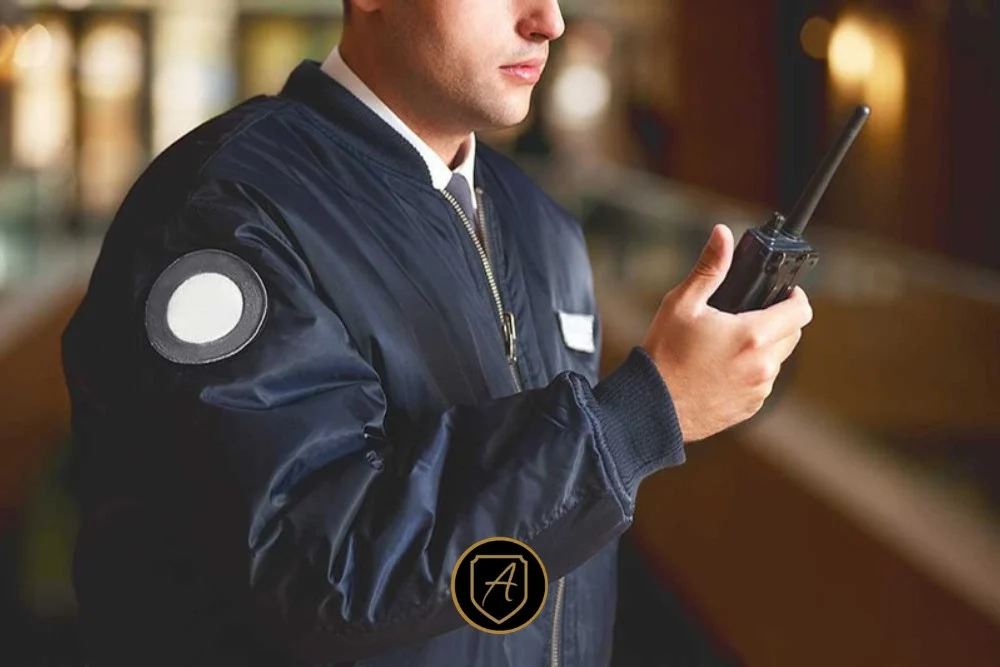
The right coverage depends on more than a headcount. Officers need defined posts, a shared communication plan, and enough flexibility to respond when the schedule changes. Alexios can provide private event security guards for intimate gatherings as well as larger productions, with assignments built around the host’s priorities and the venue’s operations.
- Entry officers support credential checks, invitation lists, wristbands, or other approved access procedures. They welcome authorized guests while watching for mismatched names, altered credentials, tailgating, or attempts to enter through staff areas. A calm, respectful approach protects the event without creating an unnecessarily harsh first impression.
- Roving officers monitor common areas, service corridors, outdoor spaces, and transitions between activities. Their mobility helps the team notice crowding, a guest in distress, an unsecured door, or a conflict before it grows. They can also support venue staff when an issue requires a security presence.
- Command and communication roles keep the detail coordinated. A designated lead maintains contact with the client representative, venue management, and other approved partners. That structure gives the host one reliable point of contact while officers remain focused on their posts.
Alexios also provides topic relevant uniformed security guard services for clients who want a visible deterrent. The uniform, placement, and demeanor of each officer should match the environment. Professional presence matters, but so do judgment, courtesy, and the ability to deescalate a difficult interaction.
Guest Flow Privacy and Venue Coordination
Private functions often involve many people who are essential to the event but are not part of the guest list. Caterers, technicians, decorators, photographers, performers, drivers, and temporary staff may arrive at different times and use different entrances. Event security planning creates a process for those movements so the host is not making access decisions in the middle of the function.
- Vendor schedules can be reviewed against approved arrival windows. When the security team knows which company is expected, who is responsible for it, and where equipment should be delivered, officers can direct activity without opening unnecessary access to guest areas.
- Restricted spaces can be identified clearly. Green rooms, family areas, executive suites, cash handling points, control rooms, and storage areas may need a different level of access than the ballroom or reception area. Officers can protect those boundaries while helping authorized staff move efficiently.
- Venue and security communications can be aligned before the event. The client should know who can make access exceptions, who will address a disruptive guest, and when management or emergency services should be involved. Defined authority reduces delays when a decision must be made quickly.
Privacy is especially important in Las Vegas, where a private event may take place near public entertainment, hotel traffic, or busy nightlife. Alexios can help clients plan Las Vegas security services that account for the surrounding environment while keeping the function itself controlled and welcoming.
A coordinated team can also protect the experience during transitions. Cocktail hour may move into dinner, a program may shift to an outdoor space, or guests may leave in waves after a performance. Officers who understand the timeline can reposition before movement begins, preserve restricted routes, and assist venue staff without creating a visible scramble.
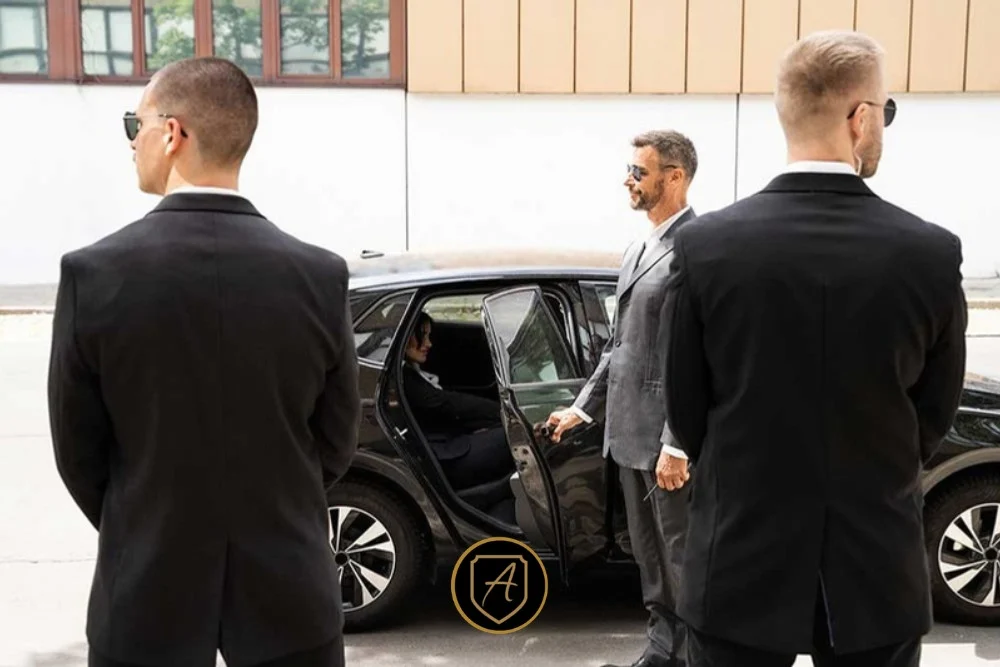
VIP Security in Las Vegas Within the Event Plan
Some events require protection for one or more high profile attendees in addition to overall venue coverage. A corporate leader, public figure, family principal, entertainer, or visiting guest may face privacy concerns, unwanted attention, or travel exposure that a general event post cannot address alone. In those cases, individual protection should be coordinated with the broader security plan rather than treated as a separate operation.
Alexios can integrate executive protection with event security so the protection agent and venue detail understand the same schedule, routes, entrances, holding areas, and contingency options. The agent remains focused on the protected person while the event team manages access and the wider environment. This division of responsibility prevents gaps and avoids asking one officer to perform two incompatible roles.
Advance work may include reviewing arrival and departure routes, identifying a private entrance, coordinating vehicle placement, checking backstage or private rooms, and planning a discreet exit if conditions change. The level of visibility can be adjusted to the client’s preference. Some situations benefit from a clearly recognizable detail, while others call for agents who blend into the event.
Good VIP security in Las Vegas protects more than physical movement. It also supports dignity, privacy, and the client’s ability to participate in the function. The safest plan is one that lets the protected person stay engaged while trained professionals watch the details around them.
Coordination continues through departure. The protection agent, driver, and event lead should know when the principal is expected to leave, which exit is preferred, and what alternate route is available. If timing changes, the team can adjust vehicles and posts without announcing the movement to the room. That flexibility is part of protecting both safety and privacy.
Event Security Planning FAQs
How early should private event security planning begin?
Planning should begin as soon as the venue, date, and general guest profile are known. Several weeks of lead time is helpful for a complex private function because it allows for a site assessment, staffing, venue coordination, and a review of access procedures. A shorter timeline does not automatically prevent coverage, but it may reduce the number of details that can be tested in advance. Alexios can evaluate the available time and focus first on the decisions that have the greatest effect on guest safety and event continuity.
How many private event security guards does a function need?
There is no responsible one size answer. Guest count matters, but so do the venue layout, number of entrances, alcohol service, event hours, public exposure, VIP attendance, parking activity, and the host’s privacy concerns. A smaller event on a large estate may need more coverage than a larger event in a tightly controlled venue. After reviewing the property and schedule, Alexios can recommend posts and responsibilities that match the actual risk rather than relying only on a ratio.
Can event security remain discreet around guests?
Yes. The plan can use a mix of visible and discreet coverage based on the environment. Uniformed officers may be appropriate at vehicle entrances or public facing access points, while suited or lower profile personnel may fit guest areas and VIP movements. Discretion does not mean a lack of preparation. It means placing trained people where they can observe, communicate, and respond without changing the tone of the function unnecessarily. The host and venue team should agree on the preferred posture before the event.
Plan a Secure Private Function With Alexios
A strong event security plan should make the host feel supported, the venue feel coordinated, and guests feel comfortable. Alexios Security Solutions brings site assessment, professional officers, clear communication, and optional VIP protection together in one plan built around the function. That preparation helps the team manage access, reduce disruptions, and respond with sound judgment when circumstances change.
Planning a private event in Las Vegas? Contact Alexios Security Solutions to develop a comprehensive security plan.
Clients may also review the Alexios Security Solutions Google Maps profile when confirming the Las Vegas service location.