
Private Security vs. Law Enforcement: Different Roles in Safety
People often ask whether private security and law enforcement do the same job. Both can contribute to safety, but their missions, authority, responsibilities, and relationship with the person being protected are different. Understanding that distinction helps a business, family, executive, or event organizer decide what support is needed before a problem occurs.
Private security operates proactively to prevent incidents and protect specific clients or assets, while law enforcement responds reactively to public safety threats. Police serve the public and must prioritize calls based on law, urgency, available resources, and jurisdiction. A private security team is contracted to focus on an agreed person, property, organization, or event.
That does not make one role more important than the other. It means the two resources solve different parts of the safety problem. Law enforcement investigates crimes, enforces laws, makes arrests within legal authority, and responds to emergencies. Private security can maintain a continuous presence, control approved access, plan protective movements, observe defined areas, and address risks specific to the client.
For clients comparing private security Las Vegas options, the practical question is not which profession is better. The question is what outcome is needed. If the goal is to report a crime or summon emergency response, call law enforcement. If the goal is ongoing prevention, dedicated observation, protective planning, or site-specific support, a professional security company may fill the gap.
The distinction also affects expectations. A private agent follows the agreed assignment and reports through the client relationship, but must still operate within the law. Police officers follow agency policy and public authority, not a private client’s instructions. Clear expectations help everyone cooperate and prevent a client from asking either resource to perform duties outside its proper role.
How Private Security Las Vegas Services Work Proactively
Private security begins with a defined scope. The provider learns what must be protected, when exposure is highest, what measures already exist, and how the client wants personnel to operate. This produces post orders or a protection plan that guides the assignment. Because the resources are dedicated, the plan can be adjusted to the site, schedule, and known concerns.
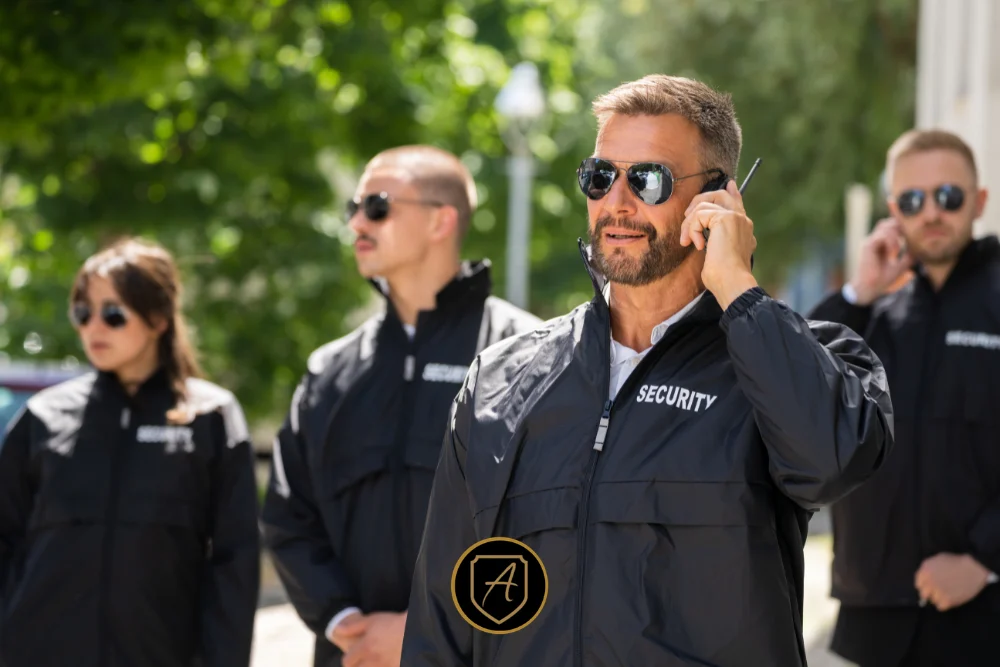
- Visible deterrence: Uniformed guards can discourage trespassing, theft, disorder, or unauthorized access at a business, residence, or event. Their presence also gives employees and guests a clear person to approach.
- Protective advance work: Executive protection services may review routes, venues, arrivals, exits, public information, transportation, and contingency options before the client moves. The purpose is to identify avoidable exposure early.
- Continuous client focus: A private security detail remains assigned to the agreed client or location. It can monitor changes, document incidents, communicate with designated contacts, and maintain coverage through the scheduled period.
Understanding this distinction helps clients choose the right level of private security protection for their situation. A store that needs a uniformed entrance presence has a different requirement from an executive with a public itinerary. A professional assessment should identify those differences instead of selling the same package to every client.
Preventive work is often quiet. It may look like confirming who can enter, recognizing a pattern in parking activity, moving a pickup location, adjusting a staffing schedule, or resolving confusion before voices rise. These small decisions can reduce the chance that a situation reaches the point where emergency intervention is required.
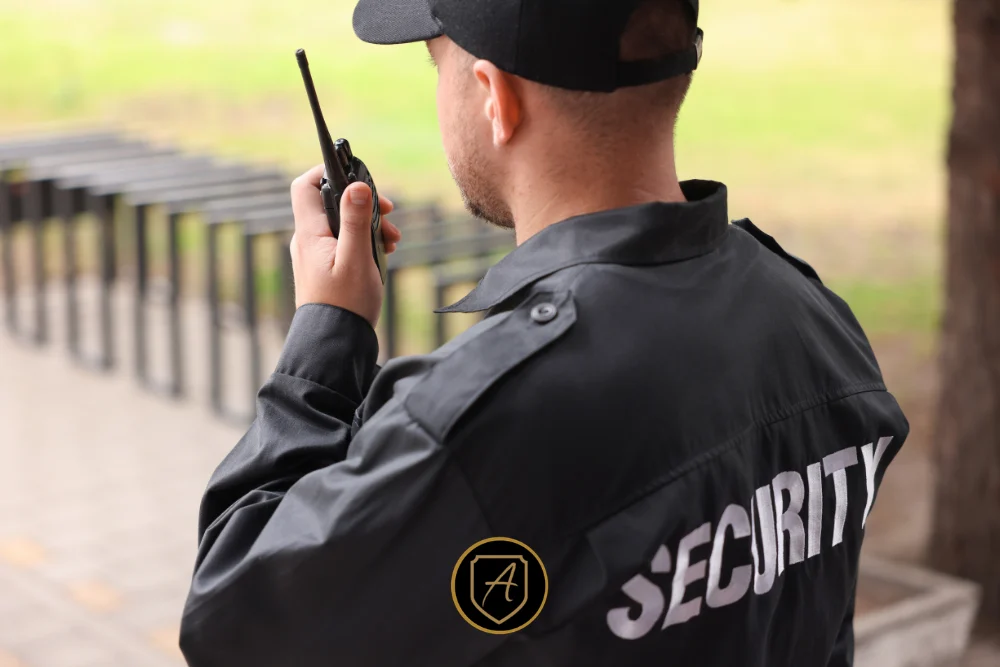
What Law Enforcement Provides to the Las Vegas Community
Law enforcement agencies have public duties and legal powers private personnel do not have. Officers respond to crimes, traffic emergencies, violence, public disturbances, missing persons, and many other calls. They can conduct official investigations, collect evidence, issue citations where authorized, and make arrests based on law and circumstances.
Response is necessarily shared across the community. A business cannot expect an officer to remain at its entrance indefinitely after a call is resolved, and an executive cannot assign a public officer to a private itinerary as an ordinary service. Agencies deploy personnel according to public need, policy, staffing, and legal authority.
This is why private security should never be presented as a replacement police force. Guards and protection agents must understand their lawful role, follow company procedures, and contact emergency services when a situation requires police, fire, or medical response. A responsible provider sets those boundaries clearly during planning and training.
Clients also play a role. When contacting law enforcement, provide accurate location and incident details, follow dispatcher instructions, and preserve relevant information without putting anyone in additional danger. When private security is present, the assigned agent can help communicate known facts and protect the immediate area within the scope of the assignment.
After police take control of an official response, the private team can continue supporting the client in appropriate ways. That may include maintaining access at unaffected areas, notifying authorized leadership, documenting its own observations, or helping adjust the remaining schedule. The goal is orderly cooperation, respect for the investigation, and continued attention to people or assets still under the private assignment.
How a Professional Security Guard Company Coordinates with Police
Private security and law enforcement are most effective when roles are understood before an urgent situation. A security provider can establish reporting procedures, identify who will call 911, determine who meets responding officers, and train personnel to preserve useful information. This prevents confusion when time and clarity matter.
Alexios agents are trained to coordinate with local law enforcement when necessary, especially during high-profile event security operations. Coordination may involve sharing a clear description, directing responders to the correct entrance, keeping bystanders away from a hazard, or providing incident documentation. The agent does not interfere with official duties.
- Before an event or assignment: The client and security lead review emergency contacts, access routes, venue responsibilities, known concerns, and the threshold for requesting public emergency response.
- During an incident: Security personnel protect people within their role, notify the correct resource, communicate concise facts, and follow lawful instructions from responding authorities.
- After the incident: The company completes reports, preserves authorized records, informs client leadership, and reviews whether procedures or coverage should change before operations continue.
Professional coordination also protects credibility. Exaggerated claims, unclear authority, or incomplete reporting can make a difficult situation harder. Trained personnel focus on observations and actions, not speculation. That factual approach supports the client and gives law enforcement a clearer starting point when officers arrive.
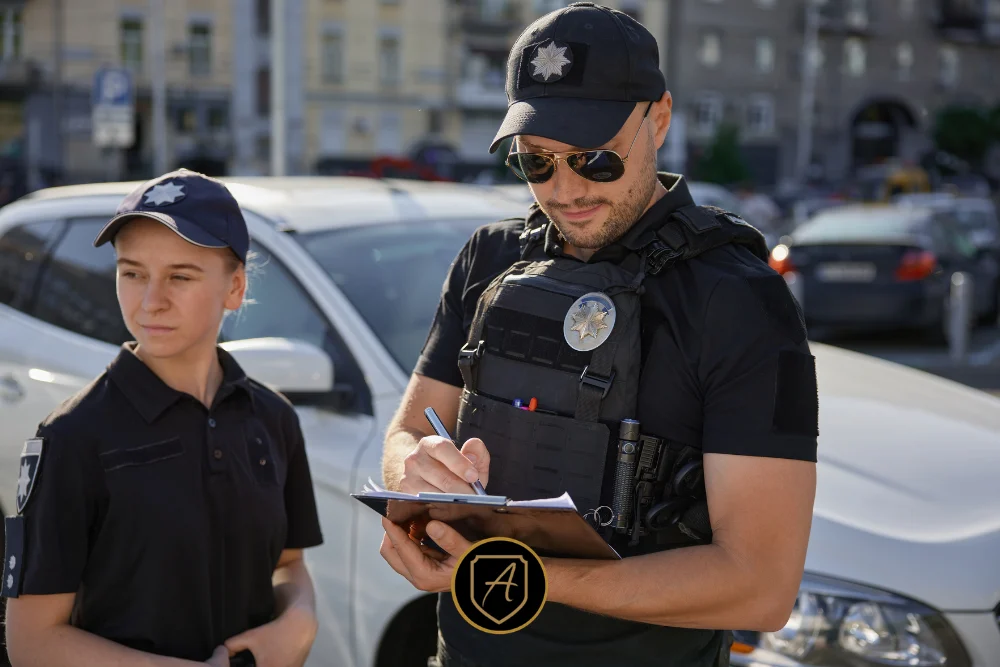
Choosing a Private Security Detail for Your Actual Risk
The decision to hire private security can follow a frightening event, an uncomfortable pattern, or a major change in visibility. Clients may worry that they are overreacting or may not know what service name applies. A confidential conversation can turn those concerns into specific questions about people, places, schedules, access, and consequences.
- For a business or property: Consider hours, entrances, public contact, valuable assets, employee concerns, parking, recent incidents, and the times when managers are not present.
- For an executive or family: Consider public exposure, travel, online information, recurring routes, household routines, events, known threats, and the level of privacy the client expects.
- For an event: Consider attendance, venue layout, guest list, vendors, alcohol service, public visibility, VIP movements, restricted areas, and how emergency responders would reach the site.
A professional security guard company should explain what it recommends, what personnel will do, how they are supervised, and where the limits are. The proposal should connect staffing and procedures to the actual concern. More visible personnel are not always the answer. Sometimes better access control, a different schedule, or discreet executive protection services offer a better fit.
The plan should also be reviewed as circumstances change. A one-time event ends, a workplace concern is resolved, a public schedule becomes private, or a property changes operations. Alexios can adjust the security footprint so the client continues to receive appropriate support without keeping measures that no longer serve a clear purpose.
Private Security and Law Enforcement FAQs
Can a private security guard arrest someone?
Private security personnel do not have the same general powers and public duties as sworn law enforcement officers. Legal authority can depend on jurisdiction and circumstances, so a responsible provider trains agents to remain within the law and their assigned role. Their focus is prevention, observation, client protection, reporting, and calling law enforcement when official intervention is needed.
Should I call police or my private security provider first?
Call 911 for an immediate threat to life, active violence, fire, serious medical emergency, or other situation requiring urgent public response. If private security is on site, notify the agent when it is safe to do so. For planning, suspicious patterns, access concerns, or non-emergency changes to your protective needs, contact the security provider through the agreed channel.
What can private security do that routine police patrols cannot?
Private security can provide dedicated coverage for a specific client, property, movement, or event during contracted hours. Duties may include access support, visible patrol, protective advance work, secure transportation coordination, close protection, incident documentation, and communication with client leadership. Police patrols serve the wider public and respond according to law, priority, jurisdiction, and available resources.
Visit our FAQs page for more answers to common questions about how private security works at Alexios. If a concern is specific to your family, organization, property, or itinerary, a confidential consultation will provide more useful guidance than a general checklist.
Talk with Alexios About Private Security in Las Vegas
Private security and law enforcement share an interest in safer people and places, but they reach that goal through different responsibilities. Police provide public emergency response and law enforcement authority. Private security gives a client dedicated prevention, observation, planning, and protective support. Many sound safety plans rely on both resources at the right time.
Alexios Security Solutions works with clients who need uniformed guards, executive protection, secure transportation, residential coverage, or event support in Nevada and Arizona. The process starts by listening to the concern and defining the result the client wants. From there, the team can recommend a practical scope, schedule, and level of visibility.
You do not need to wait for a crisis to ask for help. Early planning gives the team time to review the environment, coordinate with client contacts, and set expectations before coverage begins. It also lets the client ask questions about authority, reporting, supervision, and emergency procedures in a calm setting.
Bring any information that may clarify the concern, including dates, locations, schedules, access points, recent incidents, and the people who should receive updates. The security conversation can remain focused on facts and realistic outcomes. If the situation calls for police involvement, Alexios can explain where private coverage supports rather than replaces that public response.
Want to understand what private security can do for you? Contact Alexios Security Solutions for a confidential consultation. Share the situation, the people or assets involved, and the outcome you need. Alexios will help identify the service that fits while respecting privacy and maintaining a professional, measured approach.