


Residential Security Nevada: Why Remote Properties Require a Different Approach
Owning a home in a rural or mountain setting offers privacy, space, and a sense of escape that is hard to find in more populated areas. But that same distance can pose challenges for safety.
Remote properties often face delayed response times, limited visibility from neighbors, and unpredictable access conditions. These factors make traditional security approaches less effective without thoughtful adjustments.
Property owners exploring residential security services in Las Vegas and the surrounding areas often seek providers experienced with isolated environments.
A security strategy for a remote property must account for distance, terrain, and the reality that help may not arrive as quickly as it would in an urban setting. The goal is to create a system that works independently while still allowing for coordinated response when needed.
Estate Protection Services: Managing Access and Visibility in Rural Environments
In remote areas, understanding who can access your property is one of the most important parts of security planning. Long driveways, open land, and limited surveillance can create gaps that are easy to overlook.
Remote homeowners often depend on estate and residential security services to monitor access points and address delayed response challenges.
A proper assessment focuses on entry routes, visibility, and how your property is approached from surrounding areas. Even small adjustments can improve awareness and reduce risk.
Here are key areas to evaluate:
- Primary and secondary access points: Driveways, service roads, and hidden entry paths should be clearly defined and monitored to prevent unnoticed access.
- Lighting and visibility: Strategic lighting helps eliminate blind spots and improves awareness during low-visibility hours.
- Perimeter awareness: Knowing what surrounds your property, including terrain and neighboring access routes, allows for better planning and control.
These elements form the foundation of a more secure and manageable property.
Private Residential Patrols: Addressing Delayed Response Challenges
Distance creates one of the biggest challenges for remote property owners. In many cases, local response times may be longer due to location, terrain, or limited resources.
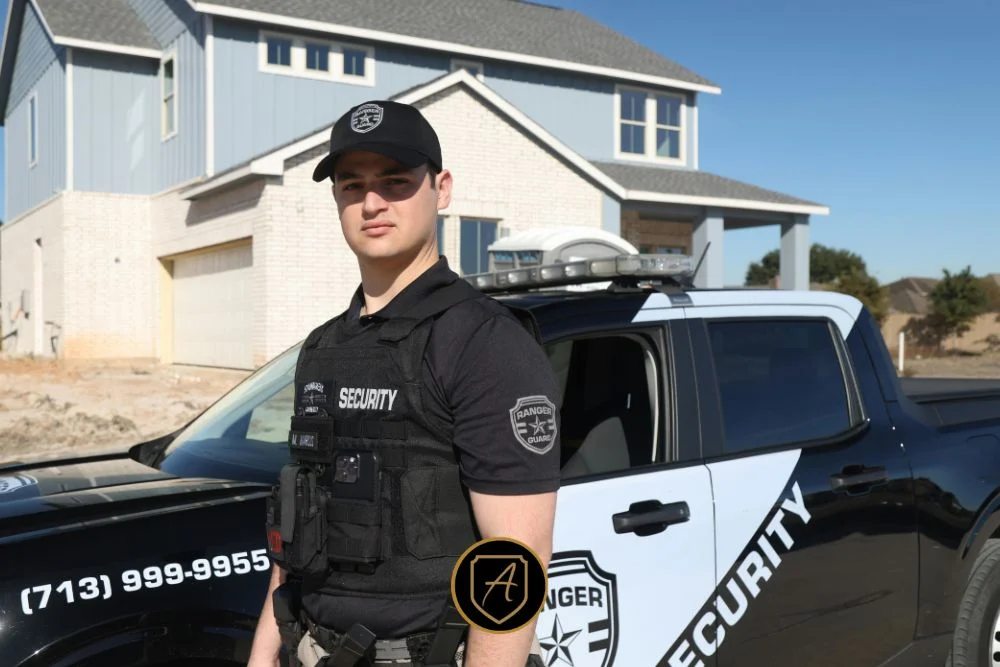
Private residential patrols help bridge that gap by providing regular presence and observation. Instead of relying solely on emergency response, you have a layer of proactive oversight.
This is especially important for properties that are not occupied year-round or are used as second homes. Regular patrols help identify issues early and maintain a visible deterrent.
When combined with a structured plan, patrol services create consistency and help ensure your property does not feel isolated or unmonitored.
Residential Security Elko, NV, and Carson City: Planning for Terrain and Distance
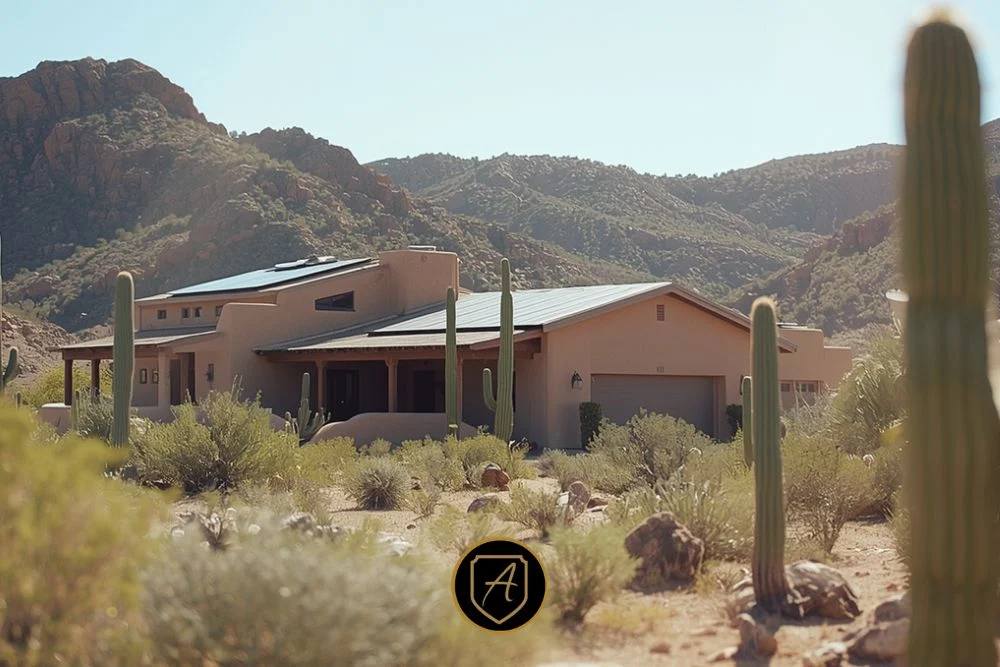
Remote properties in areas like Elko and Carson City present unique challenges. Terrain can affect accessibility, weather conditions can limit movement, and communication may not always be reliable.
When properties are difficult to reach, secure ground and air transportation becomes critical for rapid response and coordination.
Security planning in these environments must consider how quickly support can arrive and what resources are available. This may involve coordinating transportation options, identifying alternate access routes, and ensuring that response plans are realistic.
Preparation is what allows remote properties to remain secure even when conditions are less predictable.
Residential Security Tucson, AZ: Supporting Multi-Location Living
Many property owners split their time between primary residences and remote homes. This creates a different kind of challenge, maintaining consistent protection across multiple locations.
Families who split their time between locations may integrate executive protection to ensure seamless coverage.
Security planning in these situations focuses on continuity. When you leave one location, the next should already be prepared. This includes transportation, access control, and monitoring.
Key considerations include:
- Coordinated transition between properties: Ensuring that security measures are active before arrival and after departure reduces gaps in coverage.
- Consistent communication: A unified plan allows teams to stay informed and respond quickly when needed.
- Adaptable security strategies: Each property may require different approaches based on location, layout, and usage.
This approach ensures that your security does not depend on where you are at any given time.
Estate Protection Services for Retreats and Remote Gatherings
Remote properties are often used for more than personal use. They may host gatherings, retreats, or events that bring additional people into the environment.
Properties used for faith-based and wellness retreats, remote gatherings, and destination events often align planning with security standards for houses of worship.
This type of planning focuses on managing groups, controlling access, and maintaining a safe and respectful environment for everyone involved.
Here are important elements to consider:
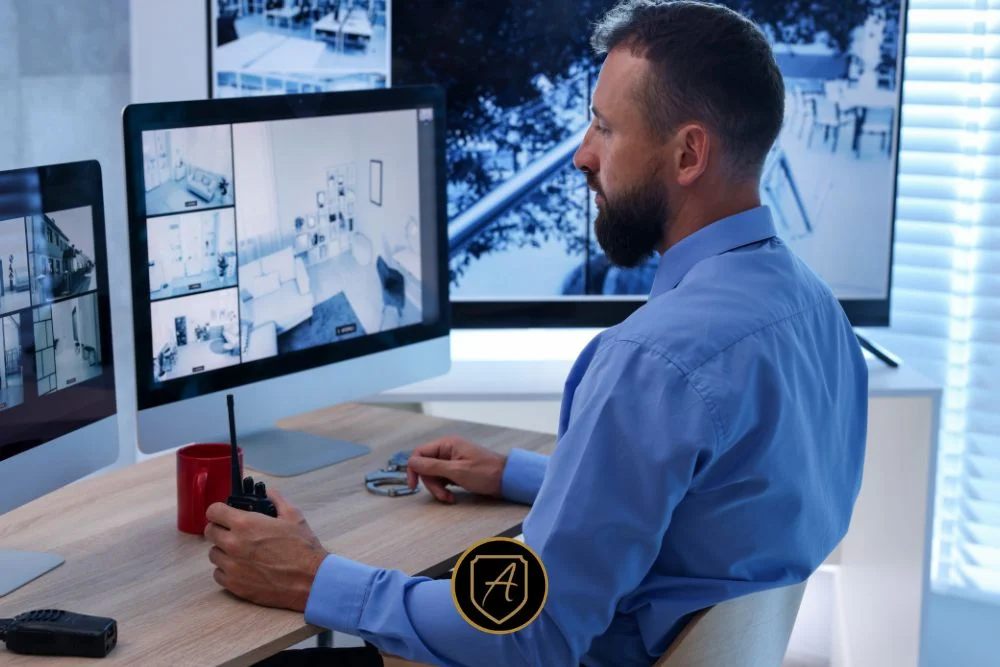
- Controlled entry and guest management: Knowing who is on the property at all times helps maintain order and accountability.
- Event-specific planning: Temporary increases in activity require adjustments to normal security routines.
- Clear communication protocols: Ensuring that everyone understands expectations and procedures helps prevent confusion during events.
Remote locations can offer a unique experience for gatherings, but they also require thoughtful preparation to ensure safety.
Residential Security Nevada: Building Long-Term Protection Strategies
Securing a remote property is not a one-time effort. It is an ongoing process that evolves with how the property is used and how the surrounding environment changes.
Long-term strategies focus on consistency, adaptability, and awareness. As your needs change, your security plan should change with them.
This may involve periodic reassessments, adjustments to patrol routines, or updates to access control. The goal is to maintain a level of protection that fits your property without adding unnecessary complexity.
You can learn more about how these services are structured by visiting the About Alexios Security Solutions page.
With the right approach, remote properties can remain both private and secure.
Secure Your Remote Property with Confidence
Owning a remote home should bring peace of mind, not uncertainty. With the right planning and support, you can enjoy the privacy and freedom of your property while knowing it is protected.
Remote properties require specialized protection. Schedule a consultation to design security strategies built for distance, terrain, and privacy.
FAQs
Remote properties often face delayed response times, limited visibility, and fewer nearby resources. Security strategies must account for these factors by focusing on prevention, monitoring, and coordinated response planning.
Many remote properties benefit from private patrols, especially if they are not occupied full-time. Patrols provide visibility, early detection of issues, and a consistent presence that helps deter unwanted activity.
Access control is one of the most important factors. Knowing how people enter and move around your property allows you to manage visibility, monitor activity, and reduce risk.