
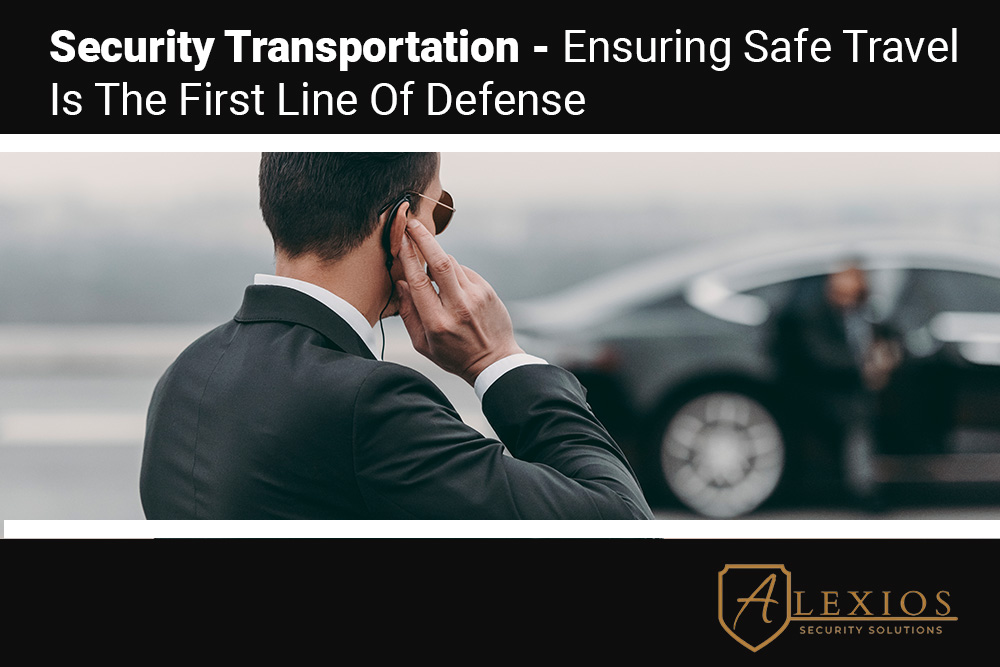

One of the most important aspects of security and safety is safe transportation. This includes not only long-distance travel like an airline or car journey, but also trips within a city itself.
Let’s take a look at a few examples of why it’s so important, how to ensure everyone and everything remains safe throughout the travel process, and then we’ll look at a few security measures that can be taken before or during a trip.
Security Transportation: Its Importance and What It Entails
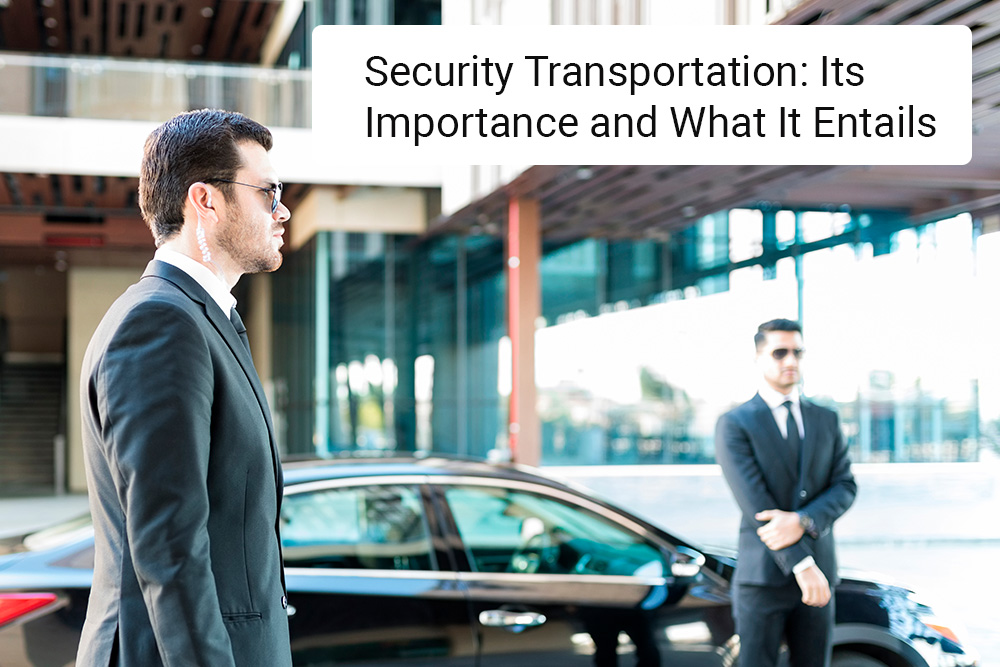
When most people think of secure security transportation, they think of preventing assassination attempts or something else out of a movie. However, that is only a small piece of the bigger picture and, for over 99% of people, the one that’s the least applicable. That’s not to say such things are impossible, just extremely unlikely for most people.
They also generally think of airline flights or train journeys when they hear “safe travel,” but ground transportation and public transit are equally important parts of transport systems that extend beyond executive protection or personal safety. Let’s look at an example of security breaches that could arise outside of bodily harm.
Alex Green, a software developer at “GreenTech Solutions,” arrives in town for a crucial product launch discussion with “InnovateNow Electronics.” On the transport to his downtown meeting, Alex engages in a phone conversation, not realizing that a competitor’s representative is seated nearby. During the call, he inadvertently reveals the time and place of the launch meeting. The competitor’s representative quickly informs their company, leading to InnovateNow receiving a preemptive and more attractive offer from this competitor. Consequently, GreenTech loses a pivotal opportunity in the market, all because their corporate security in transportation was violated.
This example underscores how both physical security and cybersecurity measures play key roles in the transport industry, where a single mistake can disrupt supply chains or compromise confidential data.
How to Maintain Security While Traveling
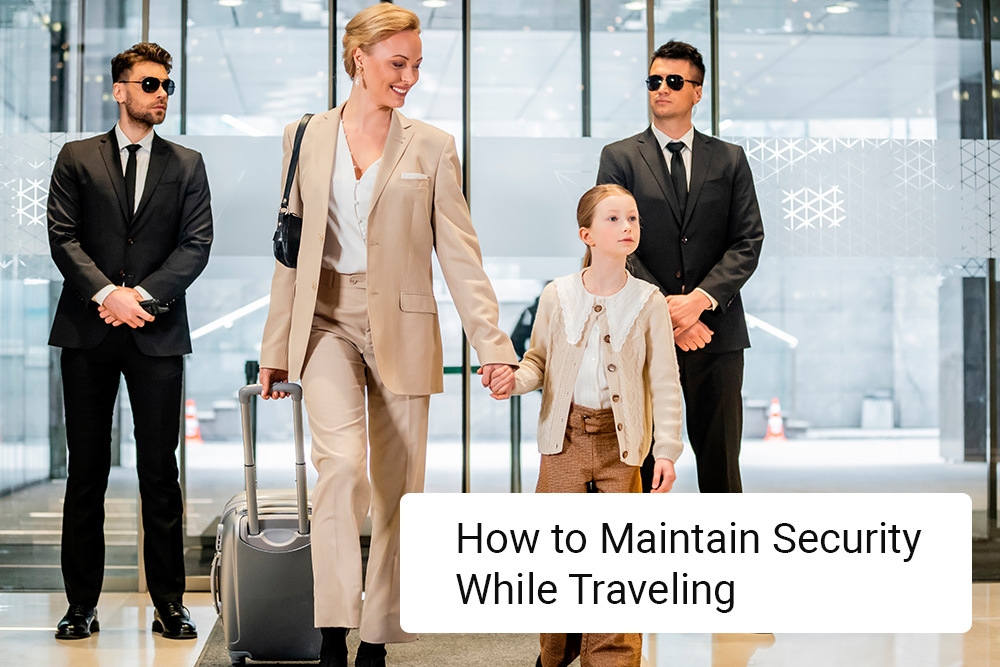
Granted, the story above sounds like a real TV-type coincidence and probably isn’t likely to happen in real life. The point of planning ahead is to turn that 1% probability into a 0% impossibility and make sure that everything goes off without a hitch.
The ideal travel plan will have everything covered—from VIP protection and access control to secure data management, threat detection, and asset protection—as well as having at least one or two contingency plans in case something unexpected comes up and the original plan won’t work.
For those embarking on road trips, basic safety and security precautions are essential:
- It’s important to plan your route in advance, including identifying rest stops and safe places to take breaks.
- Ensure your vehicle is in good working order, with all necessary maintenance checks completed before departure.
- Carry an emergency kit that includes first aid supplies, water, snacks, and basic tools.
- It’s also wise to share your travel itinerary with someone you trust who is not traveling with you.
- Always stay informed about the weather and road conditions ahead.
While driving, remain vigilant, avoid distractions, and follow traffic rules.
In unfamiliar areas, avoid sharing specific travel plans with strangers and be cautious when using rideshare services. By taking these steps, travelers can significantly enhance their safety.
Airport and Transit Security
When it comes to airport security in transportation, travelers should exercise vigilance and preparedness. Before arriving at the airport, familiarize yourself with the latest Department of Homeland Security regulations regarding carry-on items and prohibited materials to ensure a smooth check-in process.
- Keep all travel documents, including passports and boarding passes, readily accessible but secure.
- Be aware of your surroundings, and report any unattended bags or suspicious activities to airport security.
- During security screening, follow the instructions of TSA agents promptly.
- It’s advisable to use TSA-approved locks for checked luggage and to consider RFID-blocking wallets or passport holders to protect personal information.
Additionally, minimize the sharing of travel details in public spaces like airport lounges. Staying alert and following these guidelines supports critical infrastructure sectors related to aviation and transportation infrastructures, helping travelers stay safe while reducing the risk of cyber threats or theft.
For physical VIP security, hiring a local security firm that offers executive protection services is highly recommended, especially one that provides secure transport and provides agents who have advanced driver training. It;s always an excellent idea to contract trained local security workers who will know the area, the best means of escape from any building, and whose entire job is to protect their clients in every possible situation.
Physical Security and Executive Travel
For physical VIP security, hiring a local security transportation firm that offers executive protection services is highly recommended—especially one that provides secure transport and employs agents with advanced driver training. It’s always a good idea to contract highly trained local professionals who know the area, traffic patterns, and emergency routes.
These experts specialize in enhancing transportation safety by integrating physical security and cybersecurity measures, reducing exposure to security breaches while maintaining smooth logistics for executives and VIPs.
Assembling a Security Transportation Plan
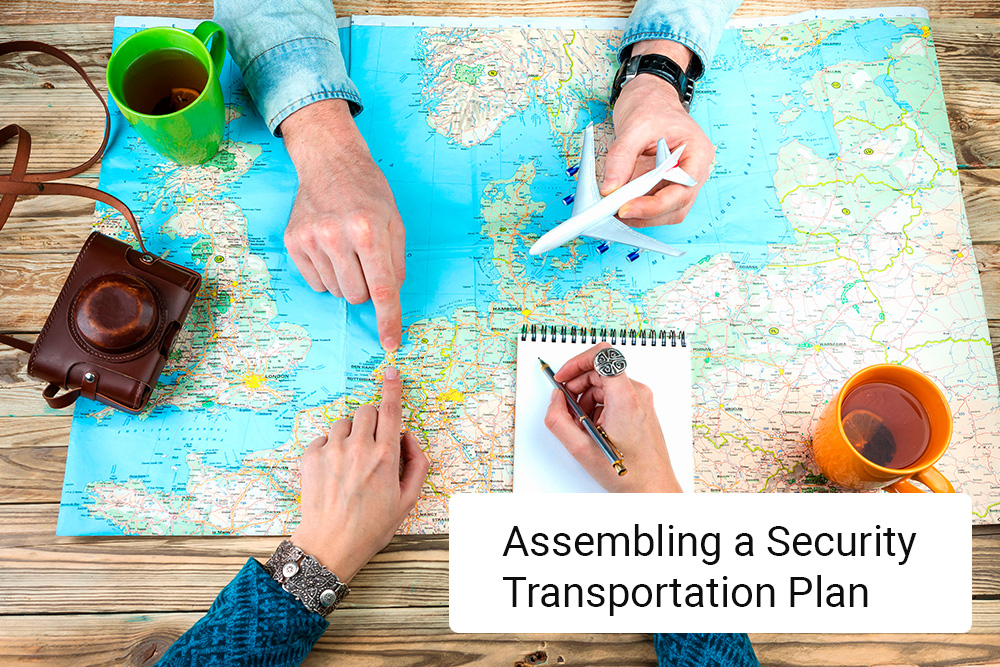
The first step in assembling a plan is to start with the executive leaving their house on their way to the airport, train station, or whichever other location their journey will begin. As there are inherent risks in every form of travel, measures should be taken to ensure that the entire trip is secure in every possible way.
By providing an itinerary to the local security services transportation company, they can run a risk assessment and provide input to make sure everything is as safe as possible. For example, they’ll know which neighborhoods to avoid after dark and can alert clients if their proposed itineraries could lead them through a bad part of town after 8 PM.
As there’s always safety in numbers, having a security team escort executives or other VIPs as part of a convoy significantly decreases the likelihood of an adverse event taking place. With most of these companies, their employees are highly trained specialists who have protected hundreds of people in similar situations.
Finally, it’s always wise to have key personnel or executives undergo continuing education and safety training to better protect their homes, manage emergencies, or de-escalate potential situations in the workplace. It may seem inconvenient or unnecessary, but in a world where transport systems are more interconnected and vulnerable to cyber threats, it’s far better to be prepared than surprised.
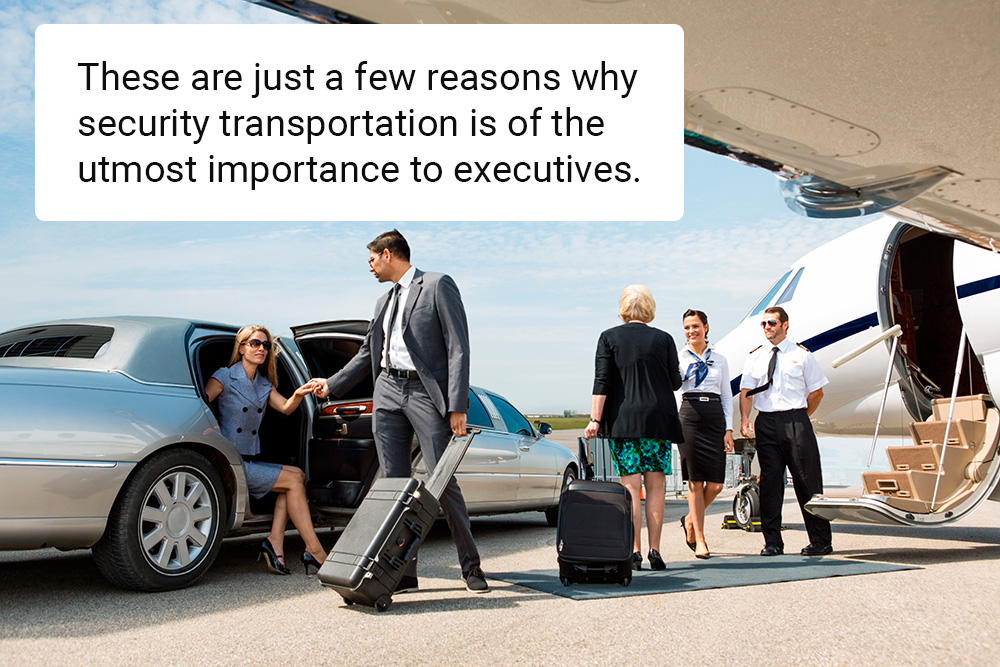
These are just a few reasons why security transportation is of the utmost importance to executives. By planning ahead, contracting local security services, and valuing safety above all else, executives, VIPs, and everyone else can remain safe and secure no matter the situation. Good luck to you, and safe travels!