
Understanding How Holiday Stress Impacts Workplace Security in Nevada
Holiday operations create a level of sustained pressure that can change how people communicate and react to challenges. At Alexios Security Solutions, we know that even normally calm employees may struggle when the pace increases and demands pile up. This is especially true in Nevada and Arizona, where tourism and seasonal travel significantly elevate foot traffic. These conditions make workplace security planning more important than ever. De-escalation training gives teams practical tools they can use when emotions rise. It also helps employees understand the cues that signal a situation is shifting from frustration to potential conflict. When teams recognize these early markers, they can step in before things escalate.
Another part of holiday workplace safety involves understanding customer behavior. Many people arrive already stressed before they ever interact with staff. Employees need safe distance strategies, calm language patterns, and clear steps for requesting security support. In some cases, security personnel provide constant coverage so staff can focus on service instead of absorbing customer tension. This approach works best when the plan is built around real world experience. That is why many organizations use a combination of trained staff and executive protection in Las Vegas support services to manage seasonal operations. This combination blends customer service with risk management so the environment stays productive and steady.
Why De-Escalation Training Is Essential During High Volume Seasons
Businesses often assume de-escalation is just common sense, but real training goes far beyond instinct. Structured programs teach employees how to keep their voice calm, maintain a safe position, and use practical wording that reduces friction. For organizations in Arizona, where tourism spikes sharply during the holidays, de-escalation training offers one of the most dependable ways to lower risk. Training also creates consistent responses across the team. When everyone uses the same approach, guests and customers experience a calmer environment. It ensures supervisors, new hires, and frontline staff share the same expectations about personal safety. This supports the organization during the busiest parts of the season.
Good programs also explain the physical side of communication. Staff learn how posture, hand position, and distance influence the tone of a conversation. They become more effective at preventing misunderstandings as pressure grows. Many organizations pair this with onsite security support so employees never feel alone in a difficult moment. When these systems work together, the entire workplace becomes safer without disrupting normal workflow.
How Training Strengthens Crisis Management Services
Training is one of the strongest foundations of crisis management services. Employees learn what to do, how to ask for help, and when a situation should transfer from staff management to security intervention. This clarity keeps teams steady even when the environment becomes hectic. Training also supports long term confidence. When staff know they have reliable procedures, they are less likely to react out of frustration or fear. That stability reduces incidents and improves the customer experience. For many organizations, this is the most important part of maintaining safety during the holiday rush.
Identifying Common Stress Points in During Workplace Security in Nevada
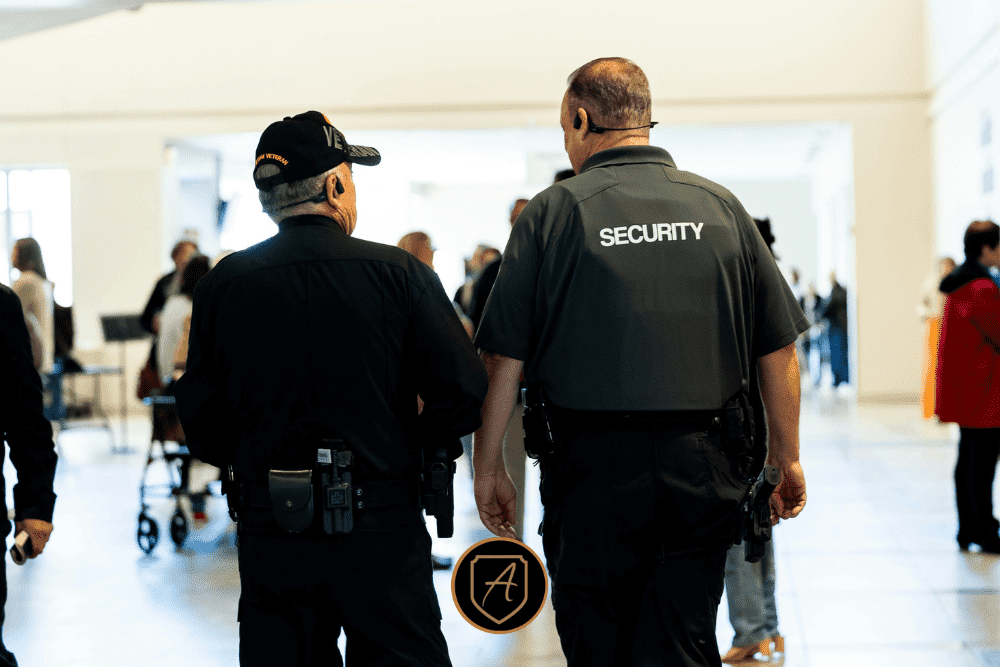
The holiday season creates predictable stress points that increase tension for both staff and customers. Many of these issues share the same underlying causes. Understanding them helps employers create better systems that protect employees and support smooth operations for the entire season. Workplace security planning often starts with assessing these risks so organizations can prepare in advance. Below are some of the most common stress points and why they matter during peak seasons.
Key Stress Factors That Influence Safety:
- Customer volume increases faster than staffing levels, which creates longer interactions and higher frustration levels for customers and employees.
- Employees receive more requests in less time, which reduces their ability to stay patient and manage tone during challenging conversations.
- Delivery schedules, supply shortages, and unexpected delays place pressure on staff who must explain these issues to customers already under stress.
- Seasonal employees may not have full training, which increases mistakes that can trigger confrontations with customers or internal disagreements.
- Teams often work longer hours with fewer breaks, which reduces decision making quality and increases emotional fatigue.
These factors explain why many organizations rely on professional security support during peak seasons. A steady presence can immediately lower tension and provide reassurance. This is also where services like Hostile Termination Services become relevant in environments where staffing changes are frequent. Security professionals understand how to guide these moments safely without disrupting daily operations.
How Employee Safety Solutions Protect Teams During Peak Season Workloads
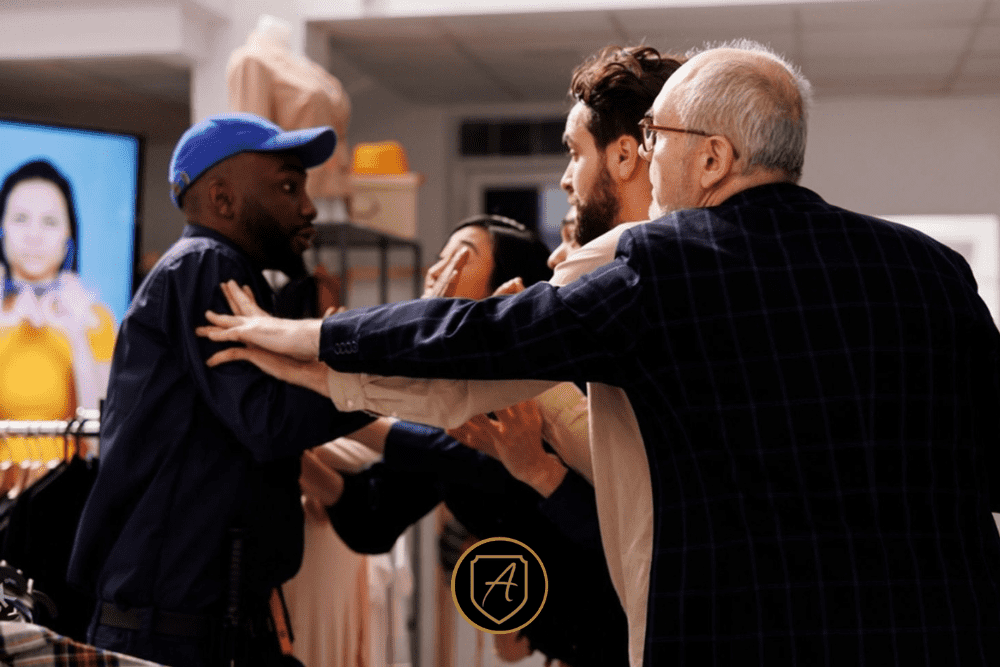
Protecting employees is not just about responding to incidents. It is about preventing incidents before they interrupt business. Effective employee safety solutions focus on practical habits that help staff stay aware of their surroundings without becoming anxious or distracted. During the holiday season, these solutions are especially important for teams working late hours or handling large crowds. Staff need simple methods for evaluating customer behavior, recognizing signs of fatigue in co-workers, and knowing when to call security. These steps reduce hesitation so employees feel supported throughout the shift. Another part of this approach involves helping supervisors manage staff rotation. Fatigue is one of the most common contributors to workplace conflict. Even the most skilled employees become less patient and more reactive when they are exhausted. When supervisors monitor these cues, the team stays safer and incidents drop significantly. Onsite security personnel also help staff maintain strong boundaries. Many employees struggle to disengage from a confrontational customer, especially when the environment is crowded. Security agents can step in quickly so staff do not feel pressured to continue a difficult exchange.
The Role of Professional Guard Programs
Professional guard programs provide routine presence, quick support, and reliable communication. They reinforce workplace safety during stressful periods by offering a calm, experienced option for escalation. Many organizations use Uniformed Security Guard Services when they know holiday volume will outpace their internal capacity. Guards also help with access control and customer flow. A simple adjustment to line management, entry points, or seating areas can dramatically reduce the opportunity for conflict. This support is especially helpful in hospitality and retail environments where crowd behavior changes rapidly throughout the day.
Integrating Security Programs With De-Escalation Training
When security and training work together, the environment becomes measurably safer. Staff understand the fundamentals of de-escalation while security professionals manage higher level challenges. This combination works well in organizations that experience large seasonal shifts in customer behavior. De-escalation training programs help staff recognize when a problem is developing. Security professionals provide the next layer of support so employees never face these issues alone. When both elements are used consistently, the workplace becomes more confident and more resilient. This approach also strengthens morale. Employees who feel protected are more likely to stay patient and professional even when customers are stressed. Security teams also benefit because trained staff can communicate clearly and offer accurate information when a situation requires intervention. This shared understanding improves response times and reduces confusion. It also ensures employees and security work as one team with the same priorities.
When to Add On-Site Holiday Security
- When customer volume repeatedly overwhelms staff capacity and leads to frequent tense interactions.
- When the business has seasonal employees who do not yet have strong communication or conflict management skills.
- When the workplace handles cash, valuable inventory, or high emotion transactions that draw frustration from customers.
- When leadership wants reassurance that both customers and staff have direct support during crowded peak hours.
- When the business operates extended hours and needs additional presence to maintain safety late into the evening.
Organizations often combine guard programs with executive protection services for events, VIP visits, or high profile seasonal experiences. This provides complete coverage and ensures the environment remains safe in every direction.
Building a Safer Winter Season With Workplace Security Planning
Holiday operations require clear communication, strong support systems, and training that prepares employees for real interactions. When organizations invest in workplace security programs, they give their teams the confidence to handle tense moments with professionalism. This preparation helps staff stay calm, control the tone of conversations, and know when to involve security. It also helps leadership protect both employees and customers during the busiest time of year. Local organizations in Nevada and surrounding areas often rely on a security company in Las Vegas like Alexios for seasonal planning and onsite support. This partnership blends practical training with real world protection. Security also becomes part of the customer experience. A steady, calm presence reassures visitors that safety is a priority. It shows staff that leadership is committed to protecting them. For employers, this is one of the most effective ways to maintain productivity and morale throughout the holiday season. Many businesses also add support for transportation movements or special events by coordinating with the Secure Ground and Air Transportation team, especially when corporate travel increases around year end. These integrated solutions help organizations manage risk across the full scope of holiday operations.
Frequently Asked Questions
De-escalation training gives employees practical tools for staying calm during stressful customer interactions. It helps them avoid escalating tone, control the pace of the conversation, and recognize cues that a situation may be shifting. These skills reduce incidents and help staff feel more confident during peak holiday operations.
Yes. Even small organizations experience significant increases in customer volume during the holidays. Security support provides reassurance, prevents incidents, and protects employees who may not have advanced training. Many small businesses rely on flexible guard programs that can scale with their seasonal needs.
Security becomes important when customer frustration rises, when incidents begin to occur repeatedly, or when the work environment feels strained. It is also valuable when seasonal staff do not yet have strong conflict management skills. Security professionals can stabilize the environment and keep operations running smoothly.
The strongest approach combines both. Training prepares staff for the conversations they handle every day. Security professionals manage the more complex moments that require advanced skills. When both systems work together, safety and productivity increase significantly.
Leadership can reinforce safety by increasing communication, adjusting staffing levels, monitoring fatigue, and ensuring employees have access to security support when needed. These steps improve both morale and effectiveness throughout the busy season. Some organizations add one internal link here if needed, such as protection response tactics, when discussing staff readiness.
Support Your Team Through the Holiday Rush
Keeping your workplace safe during the holiday season takes more than good intentions. It requires planning, clear communication, and security support that understands how pressure builds during peak periods. When your team feels supported, they stay focused, calm, and productive, even when demands are high.
Alexios Security Solutions works with organizations to strengthen workplace security programs that protect employees and maintain stability throughout the holiday rush. To learn how our team can help you prepare for the season ahead, give us a call at (833) 352-6324 or contact us online and start building a safety plan that fits your operation.