

Church Security in Nevada Must Protect Without Changing the Welcome
A church, synagogue, mosque, temple, or other faith community is fundamentally different from most places a security professional may be asked to protect. Houses of worship are intentionally open. They welcome members, visitors, families, volunteers, and people who may be walking through the doors for the first time.
That openness is central to the mission of many congregations, but it can also make traditional security approaches difficult to apply. Turning every entrance into a checkpoint or creating an intimidating security presence can change the atmosphere that church leaders have worked hard to build.
Church security in Nevada requires a more thoughtful balance. Congregations need real protection while preserving the sense of warmth, dignity, and community people expect when they arrive for worship.
Houses of worship present unique security challenges; our security services for houses of worship are designed to maintain a welcoming atmosphere while providing real protection.
The objective is not to make a congregation feel guarded. It is to create an environment where members can focus on worship, fellowship, and community, knowing that trained professionals are monitoring safety.
That distinction is why choosing a security provider that understands faith environments matters.
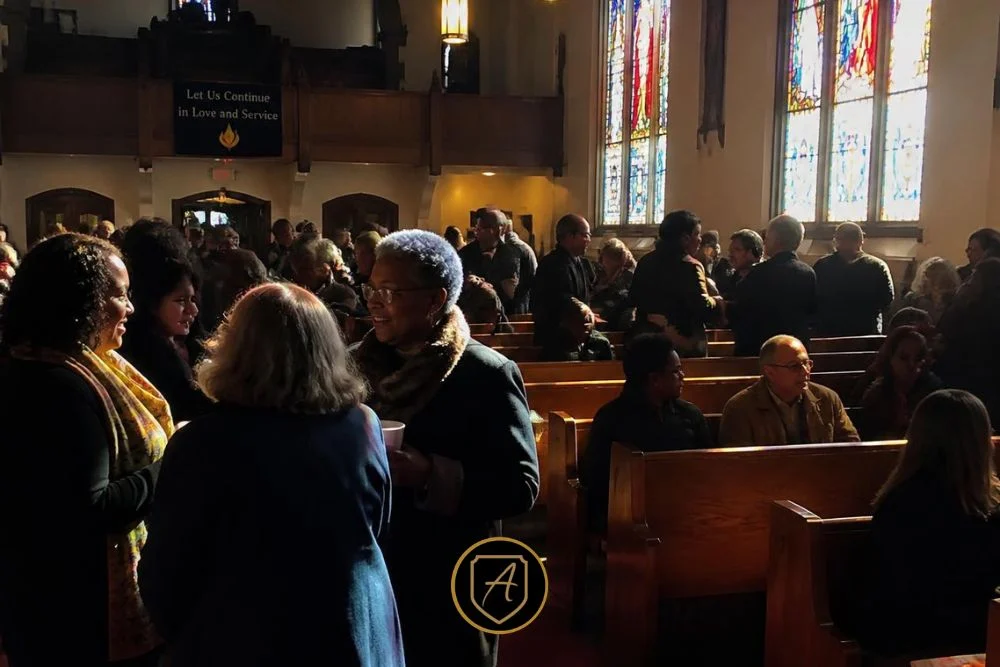
Security for Houses of Worship Begins with Understanding the Congregation
No two faith communities operate exactly the same way. A small neighborhood church may have one weekly service and a handful of volunteers, while a large congregation may operate throughout the week with schools, youth programs, counseling services, community outreach, and major seasonal events.
Before deciding what security should look like, the team needs to understand how the congregation functions.
A professional assessment should consider:
- Who uses the property: Members may share the facility with children, seniors, staff, volunteers, community organizations, and visitors. Security planning should recognize that different groups may need different types of support.
- How people enter and move through the facility: Main entrances, side doors, classrooms, offices, parking areas, and gathering spaces can each present distinct security considerations. Understanding normal movement makes unusual activity easier to identify.
- When activity changes: Sunday services may look completely different from weekday programs, weddings, funerals, holiday services, or community events. Security coverage should account for those changes rather than assuming one plan will work every day.
This process allows security professionals to understand what normal looks like for the congregation. That knowledge is important because effective security depends on recognizing when something falls outside the normal pattern.
Church leaders also bring valuable insight to this process. They understand their members, their traditions, and the concerns that may already exist within the community. Security professionals should listen to those concerns rather than arriving with a predetermined solution.
The result should be a security strategy that supports the congregation rather than forcing it to operate around security.
Church Security Requires De-Escalation, Judgment, and a Human Approach
Security professionals working in houses of worship need more than observation skills. They need the judgment to understand when intervention is necessary and the communication skills to handle sensitive situations appropriately.
Alexios guards are trained in de-escalation and crowd management, essential skills for environments where members expect warmth, not intimidation.
A person who appears distressed does not automatically represent a threat. Someone may be experiencing grief, confusion, emotional distress, or simply be unfamiliar with the facility. The way a security professional approaches that person can influence what happens next.
A calm conversation may resolve a situation that a confrontational approach could make worse.
This is especially important in faith communities, where compassion and service are often central values. Security personnel should understand that their behavior reflects on both the congregation and the security company.
Professional church security means remaining alert while treating people with dignity. It means knowing how to recognize concerning behavior without assuming that every unusual interaction requires an aggressive response.
That balance takes training, patience, and experience. When it is handled correctly, security becomes part of the supportive environment rather than something that works against it.
Uniformed Security Guard Support for Regular Services and Special Events
Security needs can change dramatically depending on what is happening at a house of worship. A regular weekly service may require one type of coverage, while a major holiday, funeral, wedding, fundraiser, or community gathering may bring significantly more people onto the property.
Our uniformed security guard services can be deployed for regular services, seasonal events, or special gatherings.
A visible security presence can provide reassurance while also serving as a deterrent. The key is ensuring that guards understand the environment and interact with members and guests in a professional, respectful manner.
Depending on the congregation and event, uniformed security may assist with:
- Entrances and parking areas: Guards can maintain awareness as people arrive and leave, monitor activity around primary access points, and help identify concerns before they reach gathering areas.
- Large services and special events: Increased attendance can change normal traffic patterns and introduce unfamiliar visitors. Additional security personnel can help maintain awareness without interfering with the service or event.
- Coordination with church leadership: Security teams should remain connected with designated staff members so concerns can be communicated quickly and decisions can be made without creating unnecessary confusion.
Visible security need not feel imposing. When guards understand the congregation and their role, their presence can become a reassuring part of the environment.
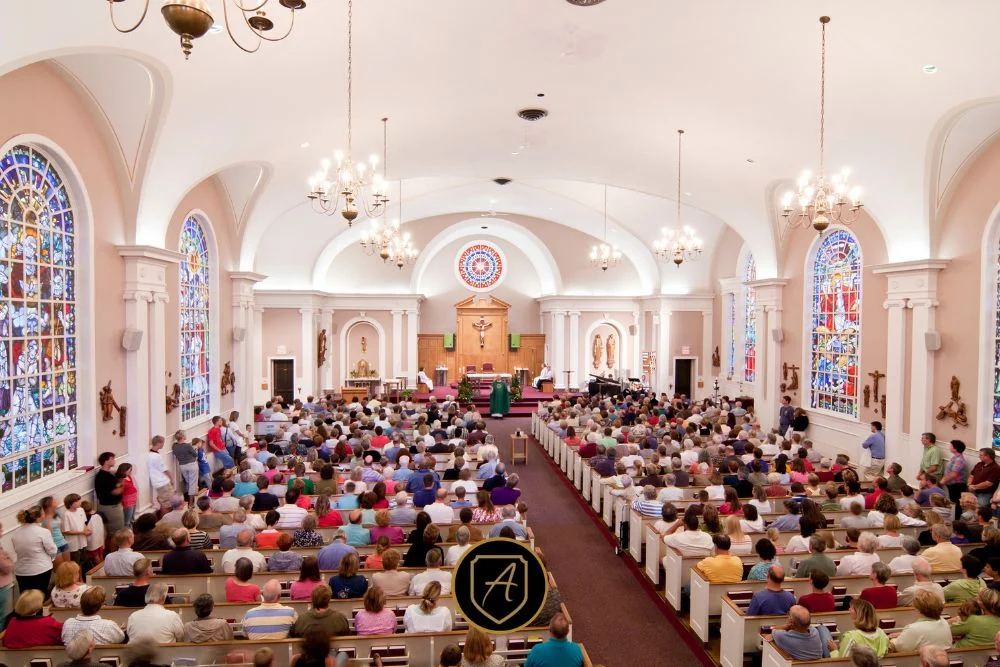
Church Security Nevada Should Prepare for Emergencies Before They Happen
One of the most important responsibilities of church security is preparation. Waiting until an emergency occurs to decide who should respond, where people should go, or how leadership should communicate can create confusion at the worst possible time.
Church leaders and security professionals should discuss potential situations before services and events occur. The objective is not to make members fearful. It is to ensure that the people responsible for safety understand what to do if something unexpected happens.
Emergency planning may address medical incidents, disruptive individuals, severe weather, evacuation needs, suspicious activity, or other circumstances that affect the congregation.
Clear responsibilities are particularly important. Staff members and volunteers should understand who contacts emergency services, who communicates with leadership, and how security personnel will manage the immediate environment.
Regular communication also helps plans remain useful as the congregation changes. New buildings, additional ministries, different service times, and larger attendance can all affect how an emergency plan should work.
Preparation gives church leaders something valuable: the ability to respond from an established plan rather than trying to create one during a crisis.
Professional Security Guard Company Planning for Nevada Faith Communities
Church security should reflect the community being protected. A congregation in Las Vegas may face different logistical concerns than a smaller faith community in Reno or a growing church in Henderson.
We work with faith communities across Las Vegas, Reno, Henderson, and Arizona to develop customized security plans.
Regional differences are only one part of the planning process. The size of the property, the number of services, the congregation’s demographics, volunteer involvement, and the frequency of public events can all influence security needs.
A professional security strategy may consider:
- Regular service coverage: Weekly worship often establishes the property’s normal rhythm. Consistent security personnel can become familiar with members, routines, entrances, and typical activity.
- Children and family programs: Youth ministries, schools, nurseries, and family events may require additional attention to access and movement throughout the facility.
- Community outreach and public gatherings: Food programs, counseling, support groups, concerts, and other public activities can bring people onto the property who are unfamiliar with the church’s normal procedures.
A security provider should be willing to listen before recommending solutions. Church leaders know their congregation and should have a meaningful role in deciding how security operates within the facility.
Alexios Security Solutions approaches these conversations with the understanding that safety and hospitality do not have to compete.

Private Security Las Vegas Can Support Church Leaders and Staff
Faith leaders are often highly visible members of their communities. Pastors, rabbis, clergy, administrators, and other leaders may interact with large numbers of people during services, counseling sessions, public events, and community programs.
Most of those interactions are positive. Still, leadership visibility can create situations that require additional awareness.
Security planning can consider how leaders enter and exit the property, where private meetings occur, and how staff should respond when an individual becomes disruptive or threatening. In some situations, executive protection services may also be appropriate when a leader faces a specific concern or requires protection outside the facility.
The purpose is not to isolate faith leaders from the people they serve. Protection should allow them to continue engaging with their community while trained professionals remain aware of the surrounding environment.
Alexios works to provide security that respects the organization’s character. You can learn more about the company’s experience and philosophy on the About Alexios Security Solutions page.
Choose Church Security That Respects Your Nevada Congregation
A house of worship should remain a place where people feel comfortable walking through the doors. Professional security can help preserve that feeling by addressing risk thoughtfully rather than allowing fear to shape the environment.
The right approach combines preparation, trained personnel, clear communication, and respect for the congregation’s values. It provides church leaders with support while allowing members and visitors to focus on worship and community.
Is your Nevada congregation looking for respectful, professional security? Contact Alexios Security Solutions for a confidential church security consultation.
Church Security FAQs
Effective church security balances awareness with hospitality. Trained guards can monitor entrances, parking areas, services, and events while interacting respectfully with members and visitors. De-escalation skills, good judgment, and an understanding of the congregation help security personnel provide meaningful protection without creating an intimidating environment.
The right level of coverage depends on the congregation, property, attendance, activities, and existing concerns. Some houses of worship benefit from regular security during weekly services, while others may require additional personnel for holidays, funerals, weddings, community events, or other gatherings with increased attendance. A professional assessment can help determine an appropriate approach.
Church leaders should look for a professional security guard company that understands the unique nature of faith communities. Important considerations include training in de-escalation and crowd management, experience with access and event security, clear communication procedures, and the ability to work respectfully with clergy, staff, volunteers, members, and guests.